Start with what the venue needs to show
Choose the reason for this shoot before listing dishes. A new menu needs accurate photographs of food customers can order. A venue introduction needs a sense of the rooms and service. An event promotion needs confirmed details and a subject that explains the occasion.
Write down what is current and ready. Mark proposed dishes, unfinished spaces and unconfirmed events separately. If the item will change before customers see it, decide whether to wait or leave it out of this session.
For an ongoing refresh, check what your existing library is missing. You may already have plenty of plated food but very little of the bar team or the room with people in it. That gap gives the next visit a purpose.
Make a list the kitchen and bar can work from
List each food, drink, person and venue scene you need, then put the most important ones first. Be specific about what the viewer should recognise. “New menu” is too broad to tell the kitchen which dish to prepare.
A photograph that identifies a dish needs a clear view of the finished plate. Footage of preparation needs the relevant action available while the camera is there. A room photograph needs a different window from a busy service scene.
Use the list to brief food and hospitality photography. Flag anything that depends on a particular staff member, ingredient or part of the venue.
- Food: name the dish, its current presentation and the detail that should be visible.
- Drinks: name the finished drink and any preparation or pouring action you want to film.
- People and service: identify the work to show and confirm who is available to take part.
- Venue: list the rooms, tables or outdoor areas that matter, and whether each should be empty or in use.
Agree the shoot window with the whole team
Bring the kitchen, bar and front of house into the plan. Nominate someone who knows the running order and can confirm when each item is ready. Preparing every dish at once can leave later items waiting while the first scene is still being photographed.
Agree where the cameras and equipment can be placed, how participants will reach that space and what else is happening nearby. Confirm who will arrange any people appearing in the photographs and which parts of the venue must stay clear.
You do not automatically need to close the venue. A quiet period may suit some scenes, while service or atmosphere needs people present. Work through those requirements with the production team and venue contact before choosing the window.
Plan the photographs and films together
A finished plate, a cocktail being made and a staff explanation each need different preparation. If all are in the brief, identify when the food, bartender and person speaking will be available. Allow for recording speech somewhere it can be heard clearly.
Tell the team where the work will appear. A menu page needs the dish to read clearly; a website header may need room for text; a social film needs framing that suits its intended version. Share existing layouts or examples before the shoot.
Agree the edit as well as the filming. Name the subject of each film, the versions you need and who checks any words on screen. Our video production covers filming and editing; the agreed scope determines the delivered work.
A plate, a cocktail and a place to spend time
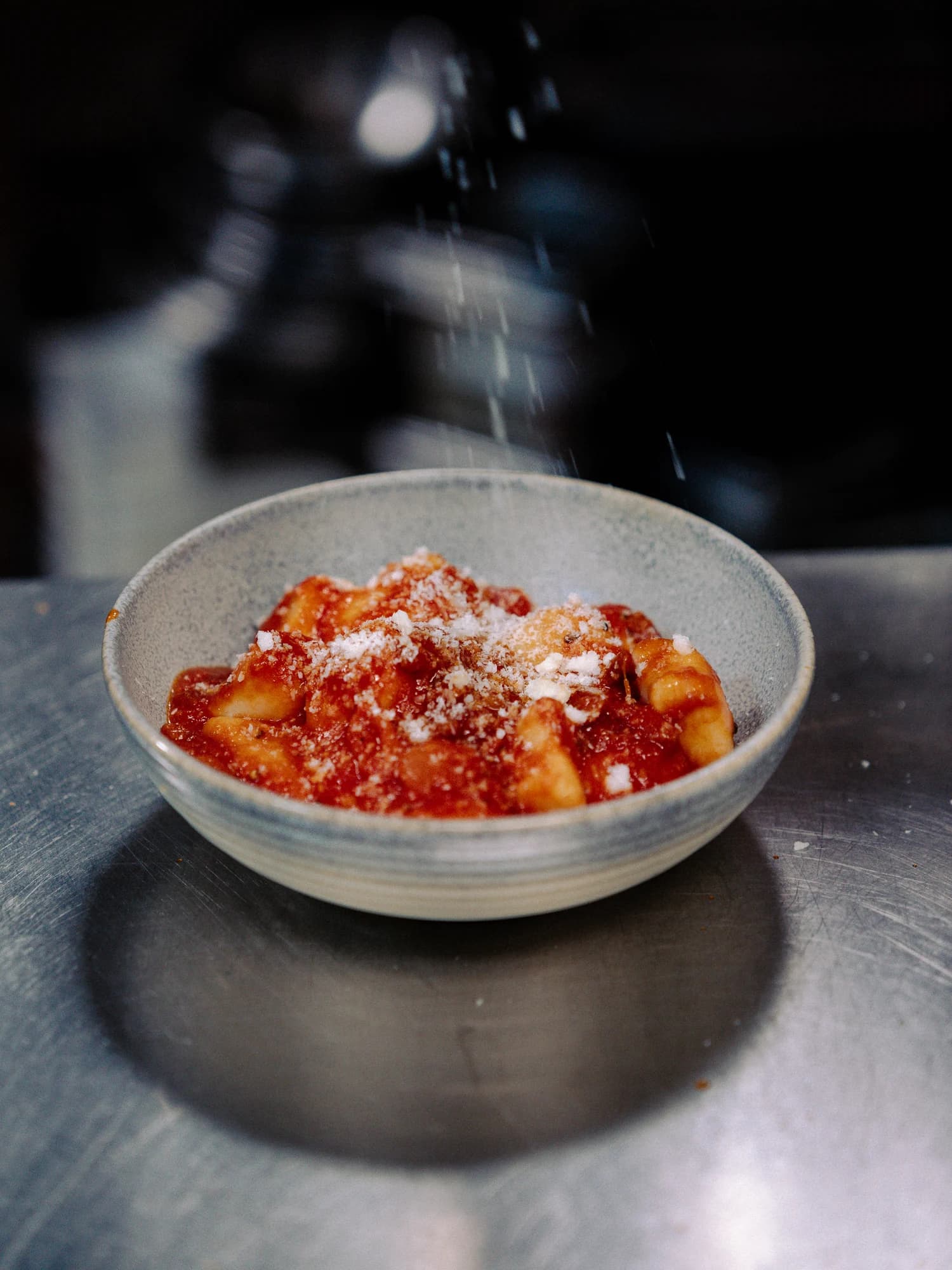
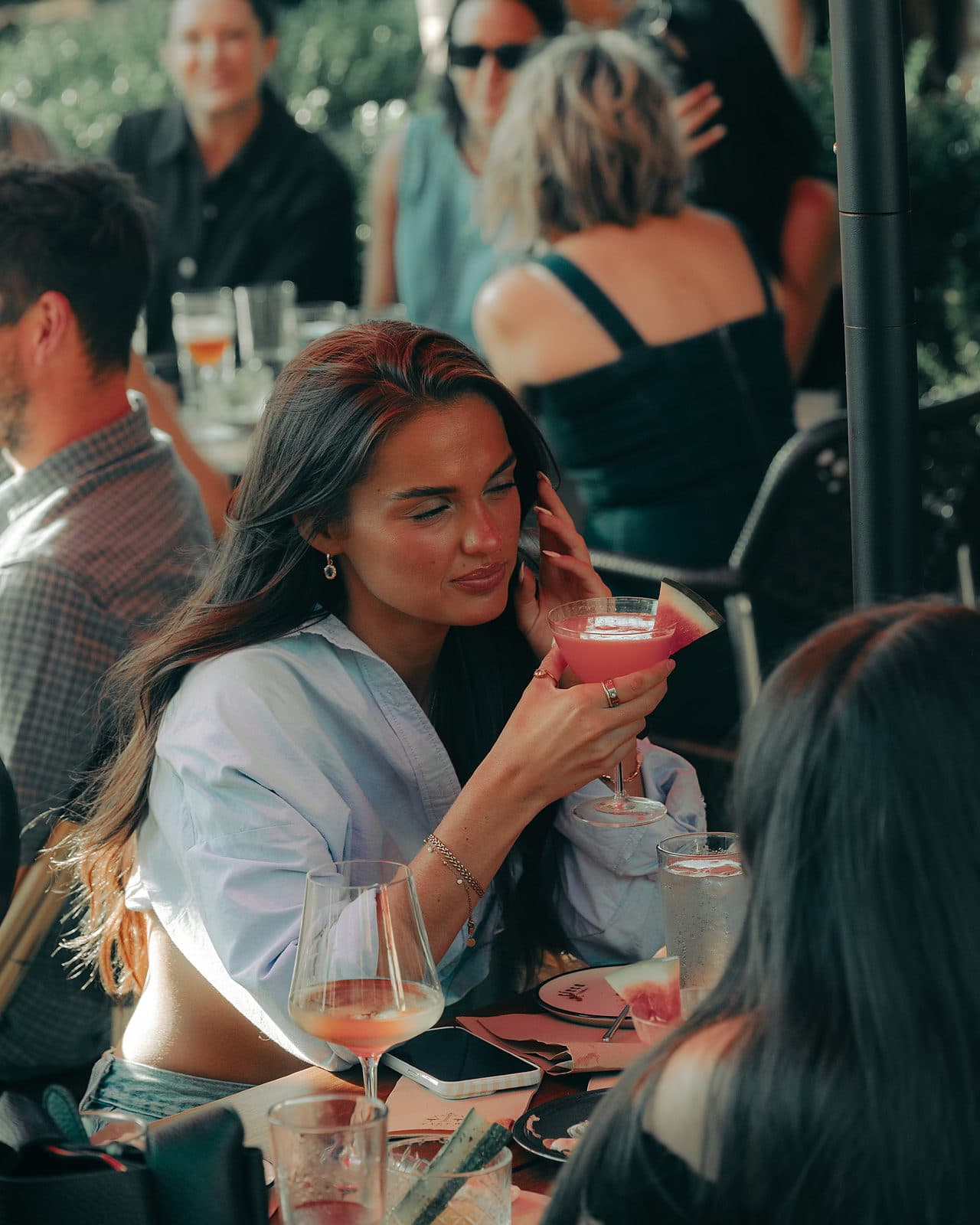
Our Circa 1884 photo and video case study shows the difference between subjects. The gnocchi photograph records the dish as cheese is added. The cocktail film shows a drink being made. The terrace photograph puts guests and drinks within the setting.
Those scenes answer different questions about the Berwick venue. Planning a similar mix for your own business means coordinating food preparation, bar activity and the right moment in the room. The examples show existing work across the retainer, not a promise that every scene happened on one shoot.
Separate lasting material from dated content
Team introductions, venue details and preparation scenes may stay useful across several campaigns. A seasonal dish or event announcement depends on current facts. Keep a record of what each file shows so your team can stop using it when that information changes.
Put upcoming changes beside the shoot dates. A menu launch and a later event may need separate visits because the subjects do not exist at the same time. The monthly photo and video planning guide explains how to group work that can genuinely happen together.
When menus, events and people give you regular new subjects, recurring photo and video production provides an ongoing plan for shoots and editing. The content needed, access and timing should decide the scope.
Copy this restaurant shoot checklist
Send these notes to the production team and the people running the venue. Use one entry for each priority scene, then agree the order together.
- Purpose: what does this shoot need customers to understand about the venue?
- Current facts: which menu, dish names, drinks and event details are confirmed?
- Priority scene: what needs to appear, and what must the photograph or film show?
- Participants: who prepares the item, appears on camera and confirms availability?
- Access and service window: where can the scene happen, and what trading activity overlaps?
- Intended use: where will it appear, and which framing, versions or spoken pieces are needed?
- Approval contact: who checks the facts, reviews the edits and returns the venue’s feedback?
Before the shoot
Can we keep trading during a restaurant shoot?
Discuss the proposed scenes and service window with the production team. Some subjects fit a quiet period; others need the venue in use. Agree space and timing with the people running service rather than assuming the whole venue must close.
Should we brief photography and video together?
Yes, when you need both. A shared brief shows which dishes, people and locations overlap. Specify the photographs and edited films separately so their purpose and preparation are clear.
Do we need every menu item ready?
Prepare the items included in the agreed shoot list. Mark the priorities and confirm their current presentation. If an item is unavailable or changing, tell the team before the session so the plan can be adjusted.
CONTENTS