Decide what the project material needs to explain
Start with the intended use. A portfolio needs a clear view of the completed work. A capability presentation may need people and processes. A recruitment film needs to explain the work and the team doing it. Each purpose changes what belongs on the shot list.
Name the particular work your business is responsible for. A wide site photograph provides context, but it may not show the detail of a trade’s contribution. Add the specific activity or finished feature that makes that contribution visible.
This guide covers photographs and films for communication and marketing. Required inspections, certification and compliance records have their own requirements and responsible people. A marketing shoot should not be treated as a substitute.
Map the subjects to the project stages
Before work begins, consider what will help someone understand the starting point: the setting, the relevant area and any visible condition your later explanation needs. Only include areas the site contact has cleared for photography or filming.
During the project, list the activities and details that will disappear as work progresses. Once a feature is covered, or a crew has finished a particular task, a completion visit cannot recover that earlier moment.
At completion, confirm which spaces are actually ready to show. Different parts of a project may become available at different times. Plan visits around those subjects and access windows instead of choosing an arbitrary number of shoots.
Build a shot list by stage and purpose
The entries below are a starting point for a production brief. Select what applies, replace the general subjects with your project details and give each entry a named availability contact.
For each selected scene, agree whether you need still photographs, motion or both. Construction and trades photography records a view or detail; filming needs an action or explanation worth following.
- Before work: the setting and starting area. Show where the project sits and the area relevant to your story. Request a wide still; add a filmed establishing view if the edit needs it. The project contact confirms access.
- Work in progress: the specific task your team performs. Show the person, the task and enough surroundings to understand it. Request an action photograph, or a filmed sequence with context and a result. The site contact confirms when that work is happening.
- Work in progress: a detail that will later be concealed. Show the feature needed for your explanation while it remains visible. Request a still, adding motion only if it explains something a single frame cannot. The person responsible for that stage confirms availability.
- People at an agreed stage: a team member explaining their contribution. Show the person beside relevant work where suitable. Brief a portrait or filmed explanation according to the intended use. The participant and site contact confirm timing and location.
- Completion: the finished space or feature. Show the overall result and the details your business delivered. Request wide and closer stills as needed, or a sequence through the finished area. The handover or project contact confirms readiness and permission to enter.
Confirm access through the site contact
Give the production team the site contact, address, proposed areas and availability windows. For projects across Melbourne and the South East, include each location separately so travel and access can be planned.
Ask the site contact to confirm the site’s entry requirements, permitted areas and any restrictions on people, information or neighbouring properties appearing in frame. Keep those requirements with the shoot plan. The production brief does not set the site’s safety procedures.
Plan around genuine activity approved by the site contact. Do not ask someone to repeat or alter hazardous work for a camera. If a task or area is unavailable, change the shot list or arrange another visit.
Give each film an action and a point
For a planning example, a team member might introduce a finished feature, explain the work that went into it and show the relevant details. That needs the person and the feature available together, plus agreed questions and a suitable place to record the explanation.
An edited sequence needs the viewer to understand where they are, what is happening and what the work produces. A close-up alone may lose that context. Specify the point of the film so the team knows which wider views, actions and details belong in the edit.
Discuss those needs when briefing construction video production. If interviews form part of the piece, the corporate video briefing guide helps organise the audience, questions and review contact.
Use finished-project photographs for what they show
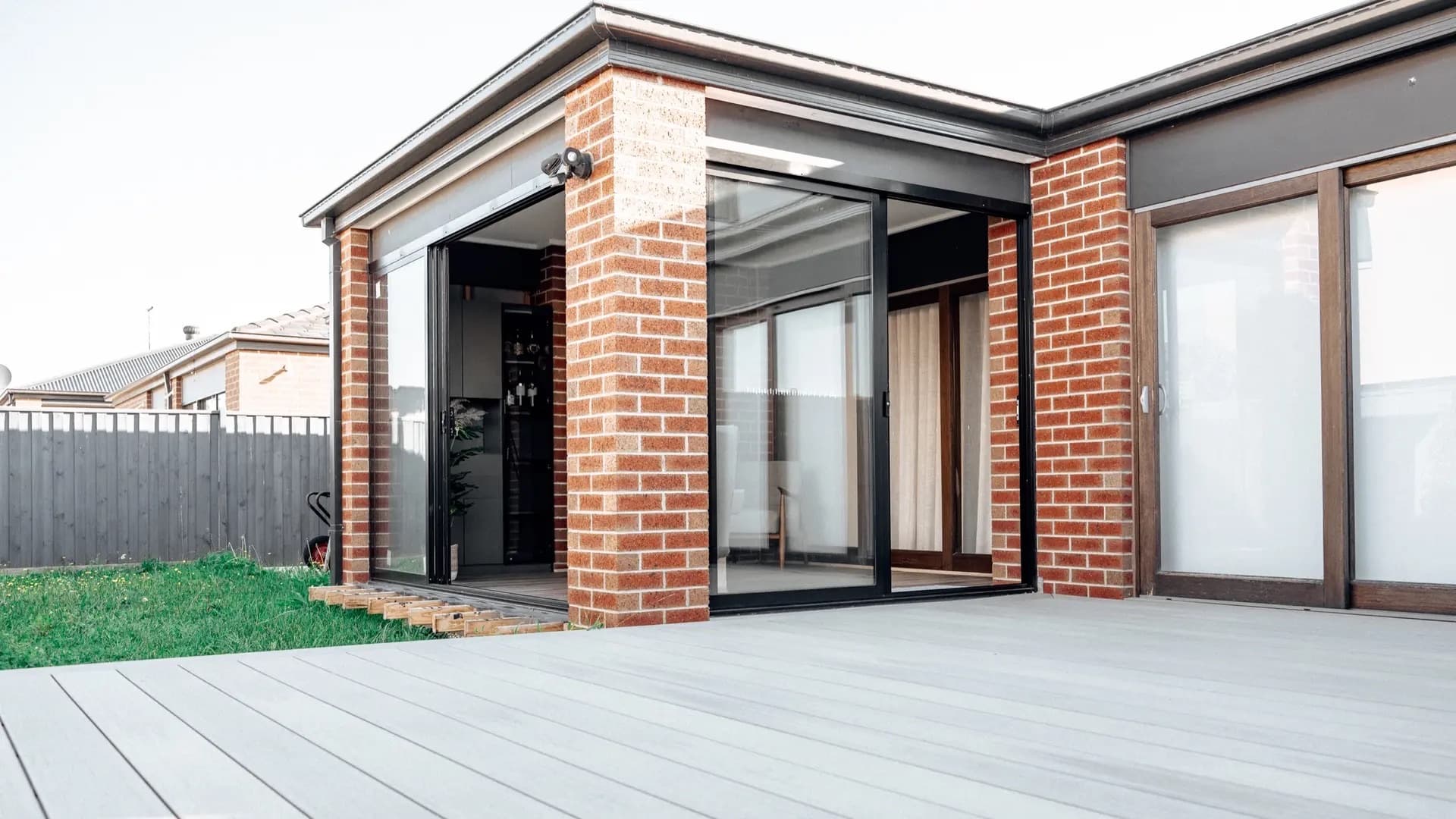
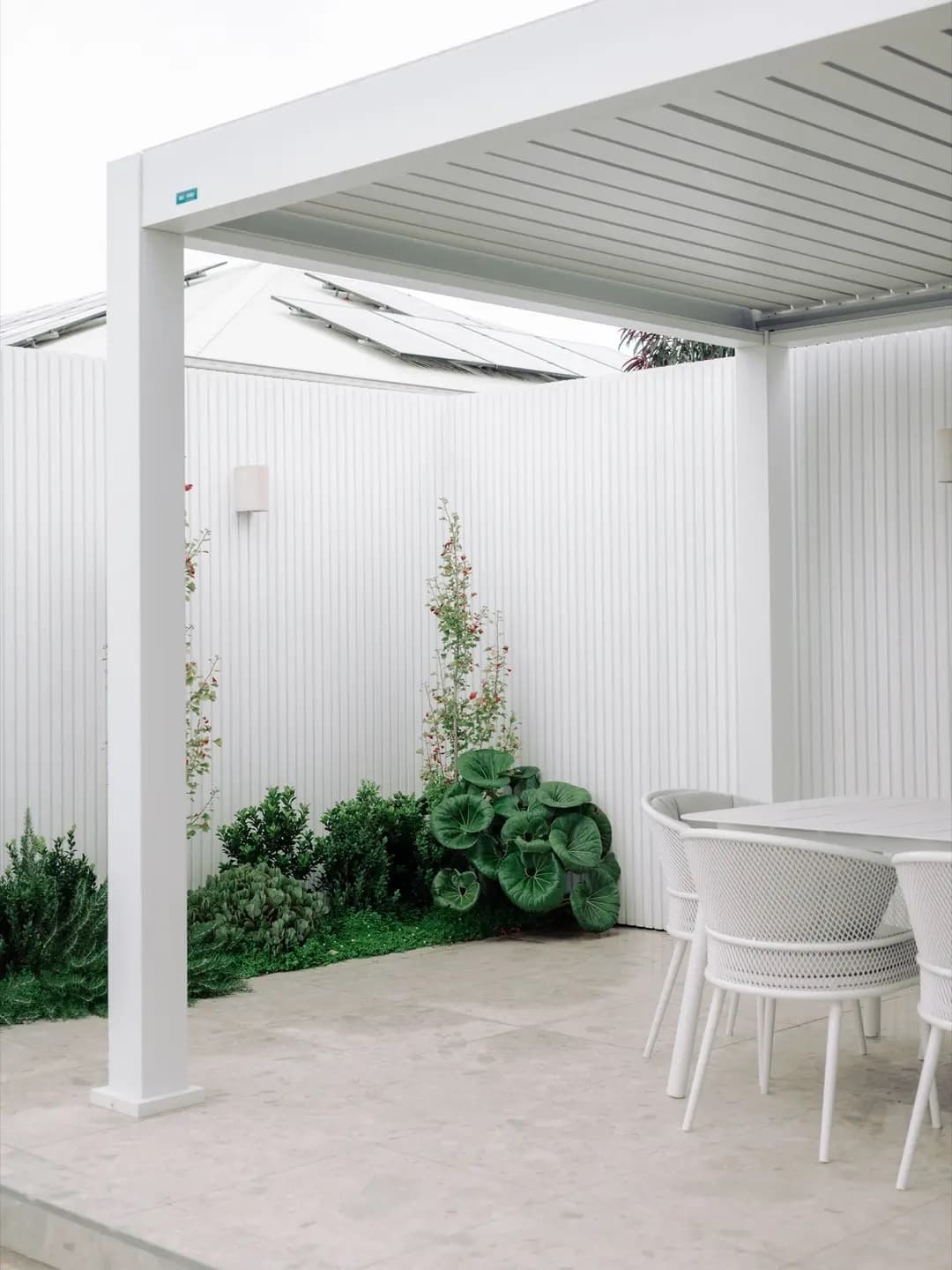
The HR Homestyle project record includes photographs of a Cranbourne lifestyle room and a Clyde North outdoor living area. The wide Cranbourne frame shows the relationship between the room, deck and garden. The portrait outdoor frame brings the roof, post, furniture and planting into one view.
These are examples of completed-project photography. They show why the final space needs both context and detail; they do not establish a record of every construction stage. Your brief should identify any earlier activity you need captured separately.
Plan the next visit around actual progress
Put the scenes beside the expected milestones, then nominate who confirms that the work is ready. If a stage moves, update the production team before the planned visit. Agree any changes to timing and scope together.
For a business with several active jobs, recurring photo and video production can be scoped around the work becoming available. A regular conversation about progress helps identify what the next visit should capture. It does not make every site ready on the same date.
Copy this project-stage brief
Repeat this entry for each selected scene. Keep it with the project schedule and update the availability details when the work changes.
- Stage and subject: what will be visible, and when is it expected to be ready?
- Purpose: what should a customer, team member or project partner understand?
- Frame or sequence: what context, action, detail or finished result needs to appear?
- Still and motion needs: which photographs, film sequences or interviews are required?
- Access: who confirms the location, site requirements, participants and permitted areas?
- Intended formats: where will the material appear, and what versions does the edit need?
- Review and changes: who checks accuracy, and who advises the team if progress or access changes?
Planning the visits
Can we photograph a project that is already complete?
Yes. Plan around the finished spaces and details that are available, with access agreed by the project contact. A completion visit will not show concealed work or earlier activity, so describe the resulting material as a record of the finished project.
Can photography and video be captured on the same visit?
Brief them together where the subjects and access overlap. Identify the still views and the actions or explanations needed for the film. Agree the scope and schedule around the people and work available.
How many visits does a project need?
That depends on the stages you want to show and when they can be accessed. Map the priority subjects first, then discuss visits around actual progress. A fixed visit count without that information can miss the work you wanted to record.
CONTENTS